
Barcelona després de 2028: què passarà amb els apartaments amb serveis
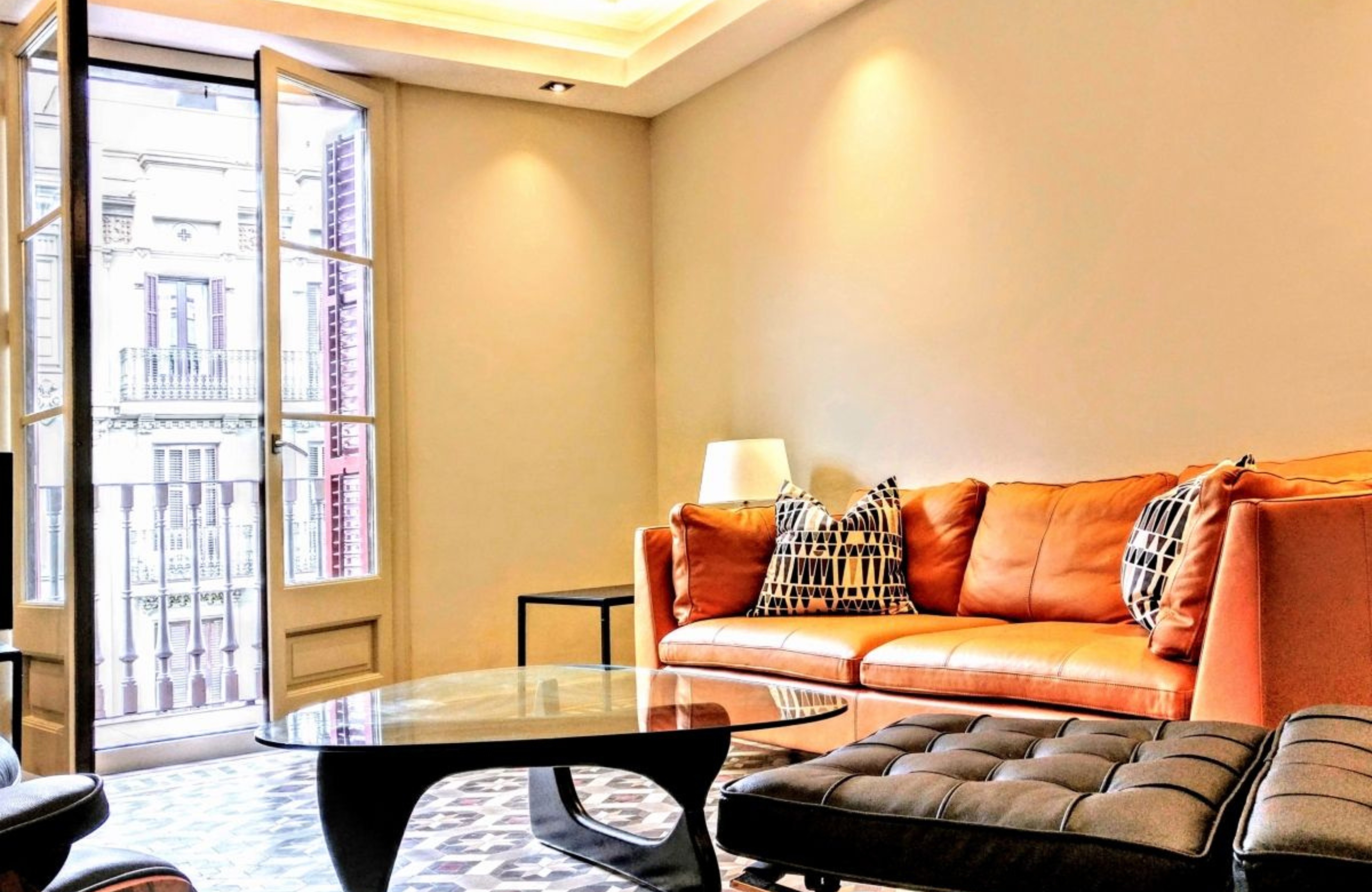
Fa temps que penso a fer una estada de teletreball de debò a Barcelona. No unes vacances ni un trasllat, sinó alguna cosa entremig. Un mes, potser sis setmanes, en un apartament real amb una cuina equipada i un interior agradable, en un barri que durant un temps senti com a meu. El tipus d’estada en què realment treballeu bé i, quan tanqueu l’ordinador portàtil, encara teniu una ciutat interessant per descobrir.
Quan m’hi vaig posar seriosament, em trobava constantment amb la prohibició del lloguer. I la primera pregunta que em vaig fer va ser: què significa realment això per a mi? Encara hi podré anar o m’he d’afanyar abans no canviï tot tal com ho coneixem ara?
Perquè la meva preocupació no té a veure amb Airbnb, les llicències turístiques o la política municipal d’habitatge, sinó amb una qüestió més pràctica. Els allotjaments on jo voldria estar, com ara apartaments premium amb serveis, ben gestionats, amb una cuina que funcioni, un WiFi estable i una persona real a qui trucar si passa res, desapareixeran? Obriré una plataforma de reserves el 2027 i no hi trobaré res entre un hotel genèric i l’habitació lliure d’algú?
Vaig plantejar aquesta pregunta a en Jaume, que treballa al mercat immobiliari de Barcelona i ha vist com aquestes regulacions evolucionaven des de dins. La seva resposta em va sorprendre, no perquè la situació sigui pitjor del que temia, sinó perquè m’estava preocupant per la qüestió equivocada.
La prohibició de què heu sentit a parlar, i per què probablement no us afecta
L’eliminació progressiva de les llicències turístiques el 2028 és real i està jurídicament resolta. Els 10.000 apartaments turístics de curta estada de Barcelona, els que es lloguen per a estades de fins a 31 dies a viatgers de vacances, perdran les llicències el novembre de 2028 i no les podran renovar. El Tribunal Constitucional espanyol va confirmar la decisió el març de 2025. No es revertirà.
Però si teniu previst treballar des de Barcelona durant un mes o sis setmanes, aquesta prohibició no va dirigida a vós. Els apartaments turístics donen servei a hostes de vacances de curta estada i amb alta rotació. Un apartament amb serveis gestionat professionalment i llogat mensualment a un directiu o a un professional es troba en una categoria jurídica completament diferent, que la política d’habitatge de la ciutat no intenta eliminar.
La qüestió que realment importa per a persones com nosaltres és una altra, i se’n parla considerablement menys.

La llei que realment està canviant les coses ara mateix
A finals de 2024 i durant 2025, Catalunya va aprovar una legislació que va més enllà de la prohibició turística i afecta el mercat d’una manera que la majoria de visitants desconeixen.
Segons les noves normes, qualsevol lloguer per motius laborals, professionals o d’estudis, independentment de la durada, es classifica legalment com a ús residencial. Això significa que el propietari ha de complir els límits de renda, documentar correctament la naturalesa temporal del contracte i tractar l’acord amb les mateixes obligacions legals que un arrendament residencial de llarga durada.
L’efecte pràctic és significatiu. Molts propietaris particulars que abans potser haurien llogat el vostre (apartament/…) a un professional desplaçat durant un mes o dos ja no estan disposats a fer-ho. Les obligacions legals i financeres són complexes, les sancions per incompliment són severes, amb multes que van de 9.000 a 900.000€, i la càrrega administrativa senzillament no compensa algú que lloga informalment una sola propietat.
Això significa que l’oferta d’allotjament disponible per a professionals de curta estada ja s’està reduint, no el 2028, sinó ara. El mercat informal, aquell propietari particular que abans llogava un bon apartament durant unes setmanes a través d’una plataforma, està fent-se enrere. El que queda s’està concentrant al voltant d’operadors amb estructures legals sòlides, gestió professional i marcs de compliment normatiu que els propietaris particulars difícilment poden replicar.
La meva única opció serà un hotel?
Aquesta és la pregunta a la qual tornava una vegada i una altra, i la resposta sincera és aquesta: no, si sabeu on buscar, però les opcions s’estan reduint per a qui no ho sap.
Els hotels no són la solució adequada per a una estada de teletreball. Una habitació d’hotel està pensada per a algú que només hi passa. No té una cuina on pugueu cuinar després d’un dia llarg, una taula on realment pugueu concentrar-vos, ni un segon dormitori per quan algú s’uneixi a vós durant una setmana. Amb les tarifes de Barcelona per a qualsevol allotjament que realment valgui la pena, els números d’una estada de sis setmanes en hotel no surten, tret que algú altre en pagui la factura sense qüestionar-la.
La Barcelona que fa que una estada de teletreball valgui realment la pena requereix un apartament. La qüestió és qui els opera i amb quin nivell.
A mesura que el mercat informal es contrau i els propietaris particulars fan un pas enrere, els apartaments amb serveis gestionats professionalment, ben estructurats, conformes a la normativa i orientats a professionals d’estades més llargues no només estan sobrevivint en aquest entorn regulador. S’estan convertint en l’opció més clara que queda per al tipus d’hoste que realment vol quedar-se aquí i treballar bé.
Què significa això si teniu previst venir
Barcelona no es tanca. Els directius continuen traslladant-s’hi. Les empreses continuen enviant-hi persones durant mesos. La ciutat continua valent la pena en tot allò que és essencial.
El que està canviant és la qualitat de les opcions i qui les gestiona. La part amateur del mercat està quedant fora de joc per la regulació. El que roman, si està ben gestionat, esdevé més valuós com a resultat i, per a un hoste que sap què busca, això no són males notícies.
L’estada de teletreball en què he estat pensant continua sent possible. El nivell d’exigència per trobar el lloc adequat simplement és més alt que abans.
Bizflats ofereix apartaments amb serveis gestionats professionalment a Barcelona per a professionals i estades de teletreball d’un mes o més. Totalment conformes amb la legislació catalana de lloguer vigent i pensats per a hostes que necessiten més que una habitació d’hotel. Per als propietaris que naveguen el panorama posterior a 2028, oferim una gestió d’apartaments estructurada per al mercat professional d’estades més llargues. Browse apartments